
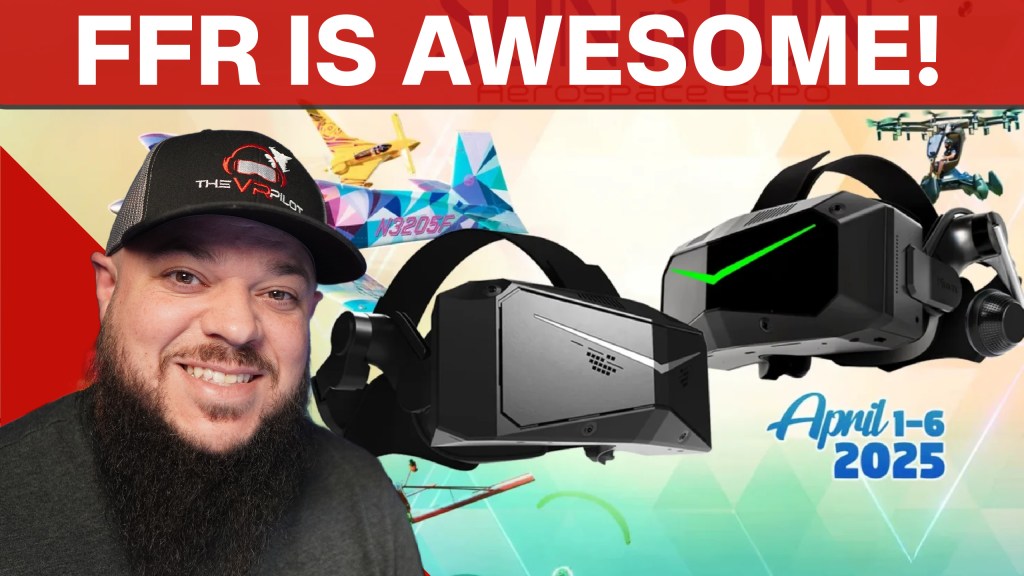
Hey everyone, Jose here from theVRpilot, and wow… we’ve got some incredible news for the VR flight sim community. If you haven’t heard already , Microsoft Flight Simulator’s Sim Update 2 Beta now includes Foveated Rendering—yes, built-in!
Why is this such a big deal? Well, because now it doesn’t matter if you’re running an AMD or Nvidia GPU. Doesn’t matter if you’re using a Quest 3, Pimax, or any other VR headset—you can benefit from this performance boost.
What is Foveated Rendering?
Foveated Rendering is a technique that reduces the resolution in your peripheral vision while keeping the center of your view crystal clear. It mimics how human vision works and significantly boosts performance.
Even if you don’t have eye-tracking (which would allow for dynamic foveated rendering), fixed foveated rendering already brings tangible improvements. On my Quest 3, I saw a 22% performance boost. That’s huge!
Shoutout to the Community
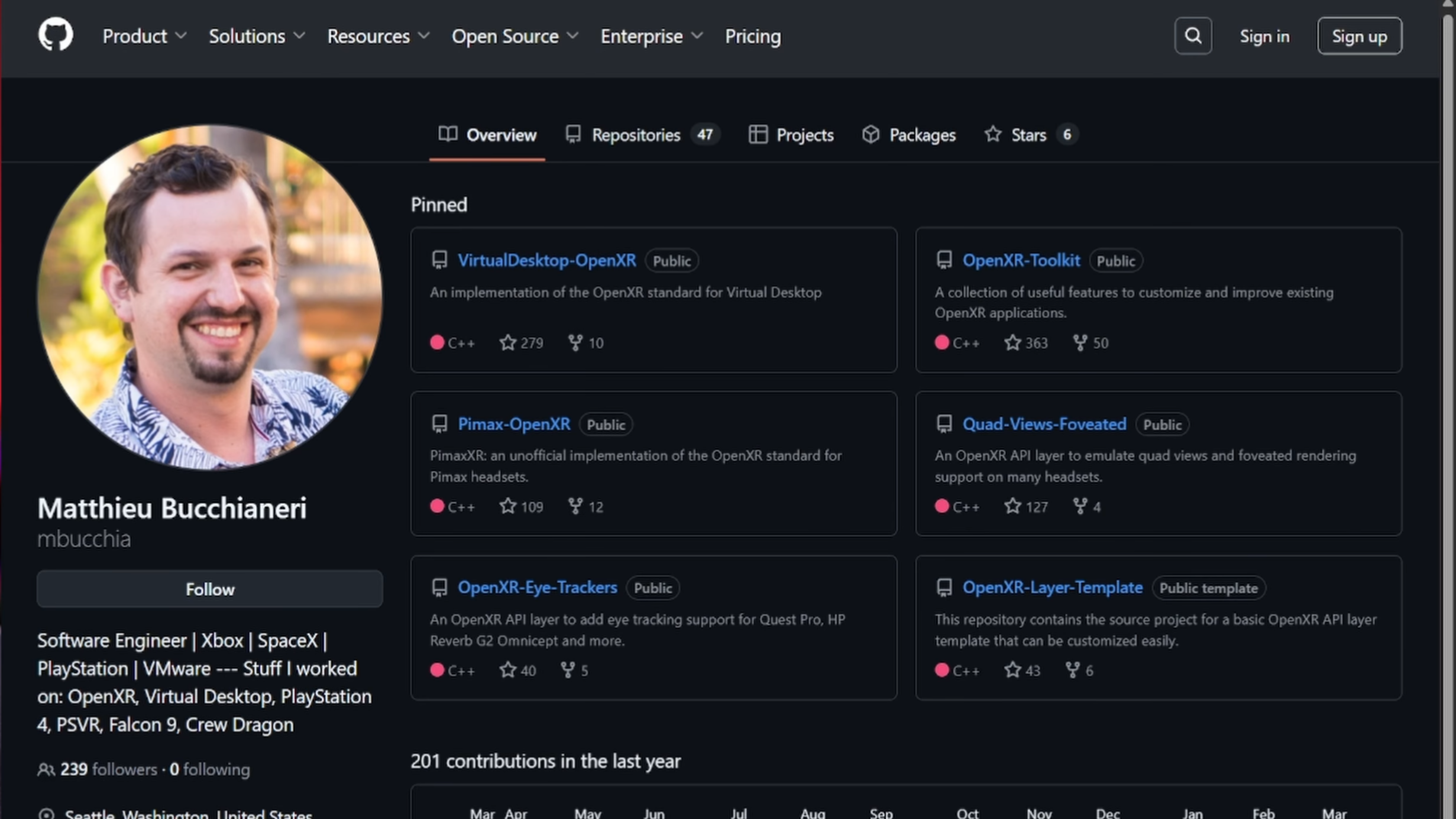
A big thank-you goes out to Matthew – mbuccia —the developer behind tools like the OpenXR Toolkit and Quad Views for DCS. His work has been instrumental in bringing high-performance VR to simmers. Honestly, Microsoft should’ve hired this guy!
Another shoutout to Suki from Pimax, who recently shared that Pimax’s visit to Seattle helped showcase the importance of foveated rendering to the Microsoft Flight Sim team. That hands-on demo using DCS proved just how much of a performance gain was possible. And now—it’s in MSFS!
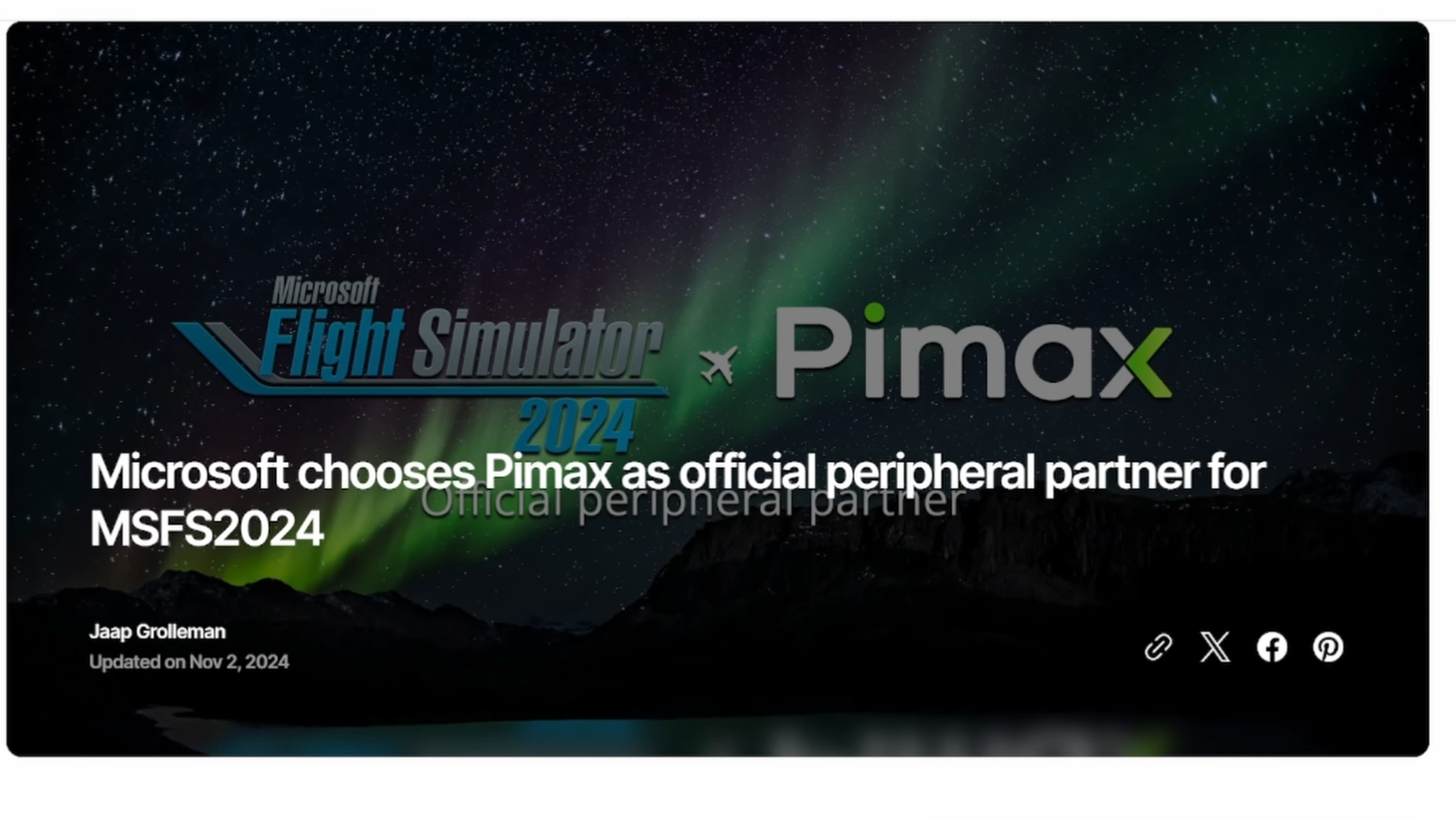
Microsoft has Partnered with Pimax!
Real-World Test Results
Using my setup (i9-12900K, RTX 4090, 32GB RAM, Quest 3), I ran the sim with high settings and 100% render scale with TAA—no DLSS—and I still got a jump from 49–50 FPS to 62.2 FPS. That’s a solid 22% improvement, and it’s only going to get better as this tech matures.
What You Should Do
If you’re testing the Sim Update 2 Beta—get involved. Don’t just lurk in Discord or Facebook groups. Go drop your feedback in the official MSFS forums. Your feedback can help shape the sim’s future.
The Bigger Picture
This isn’t just a gimmick or a marketing ploy. Companies like Pimax are actively working to push VR forward. Microsoft Flight Sim is listening. And that matters. This partnership is paving the way for a better, smoother, and more immersive VR flight sim experience.
Bonus: Sun ‘n Fun Is Coming!
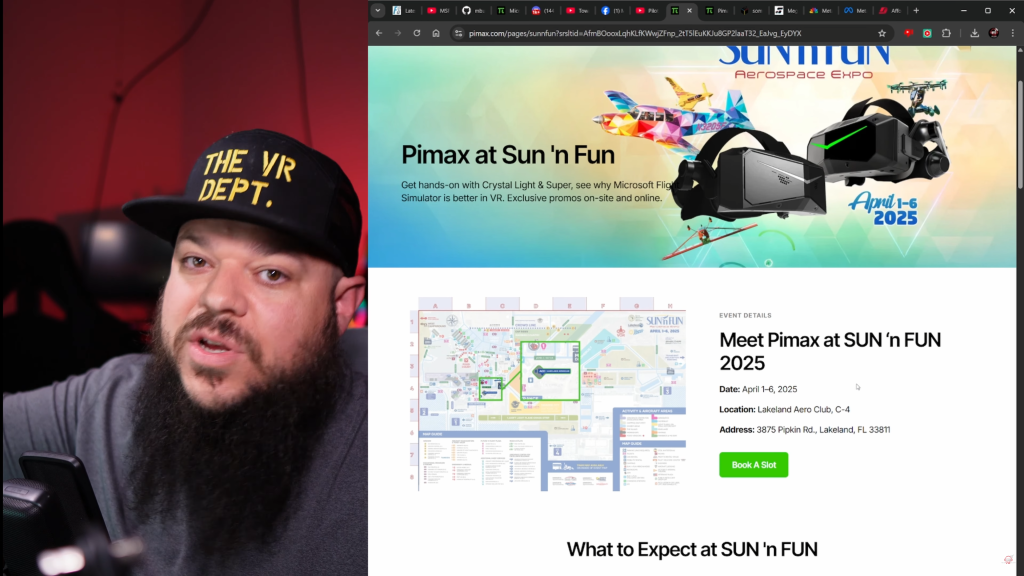
Speaking of immersive experiences—don’t forget, Sun ‘n Fun Aerospace Expo is just around the corner (April 1–6 in Lakeland, FL). I’ll be attending, and Pimax will be there too, showcasing their headsets. If you’re in the area, this is a great chance to connect and see the latest in flight sim tech in person and try out Pimaxs new Crystal Super
Final Thoughts
This update is a massive win for us VR simmers. Whether you’re flying with a Quest, Pimax, Varjo, or anything in between—you’re going to feel the difference. And this is just the beginning. We’re moving in the right direction.
Jump in, test it out, give your feedback—and let’s keep pushing the boundaries of what VR flight simming can be!
Until next time, keep flying, keep dreaming—and I’ll see you in the skies.
– Jose, theVRpilot
FULL VIDEO HERE

 Elevate your VR Experience!
Leave a comment